05 / Services · Digital Heritage

DIGITAL
TWIN

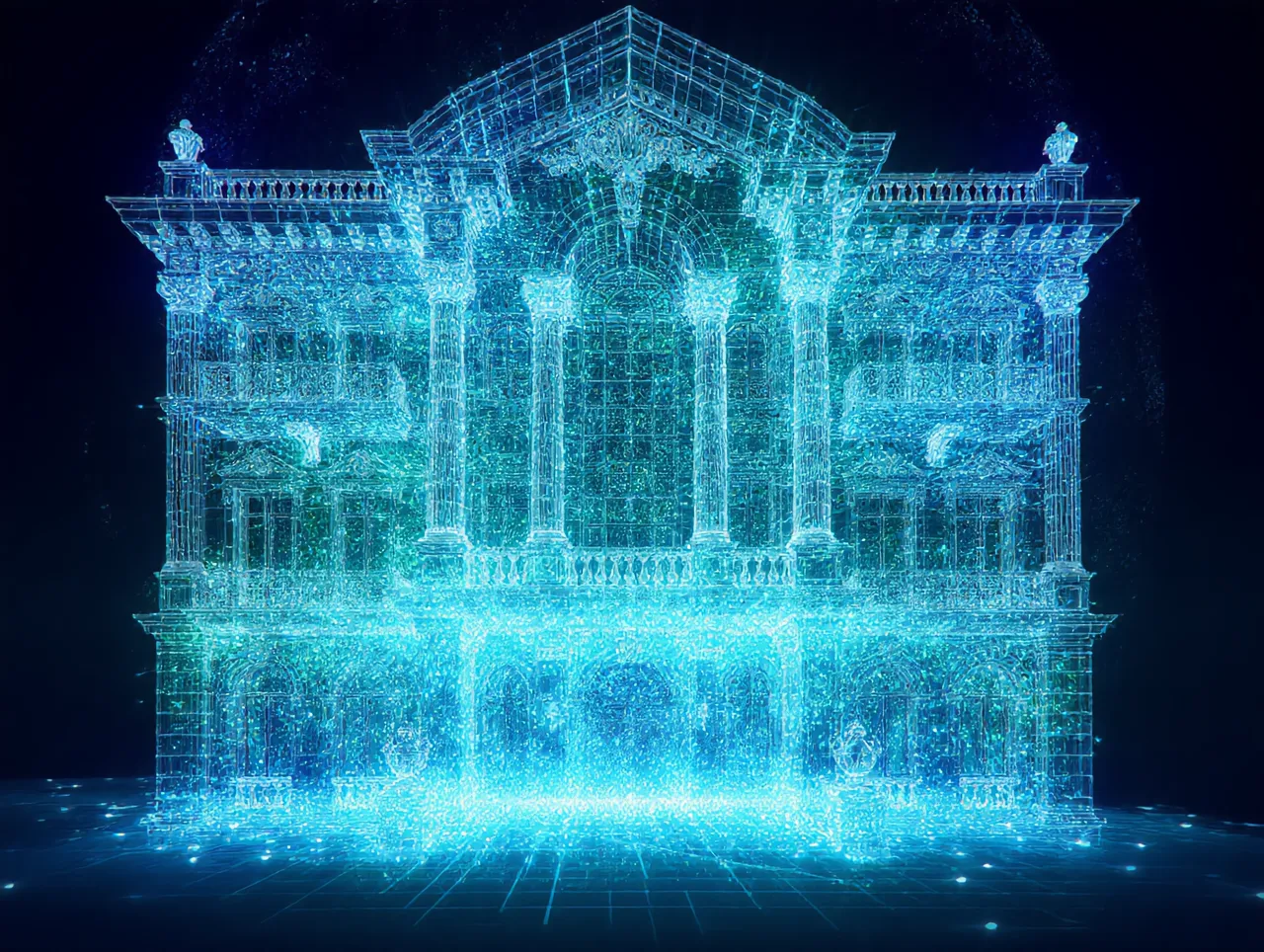
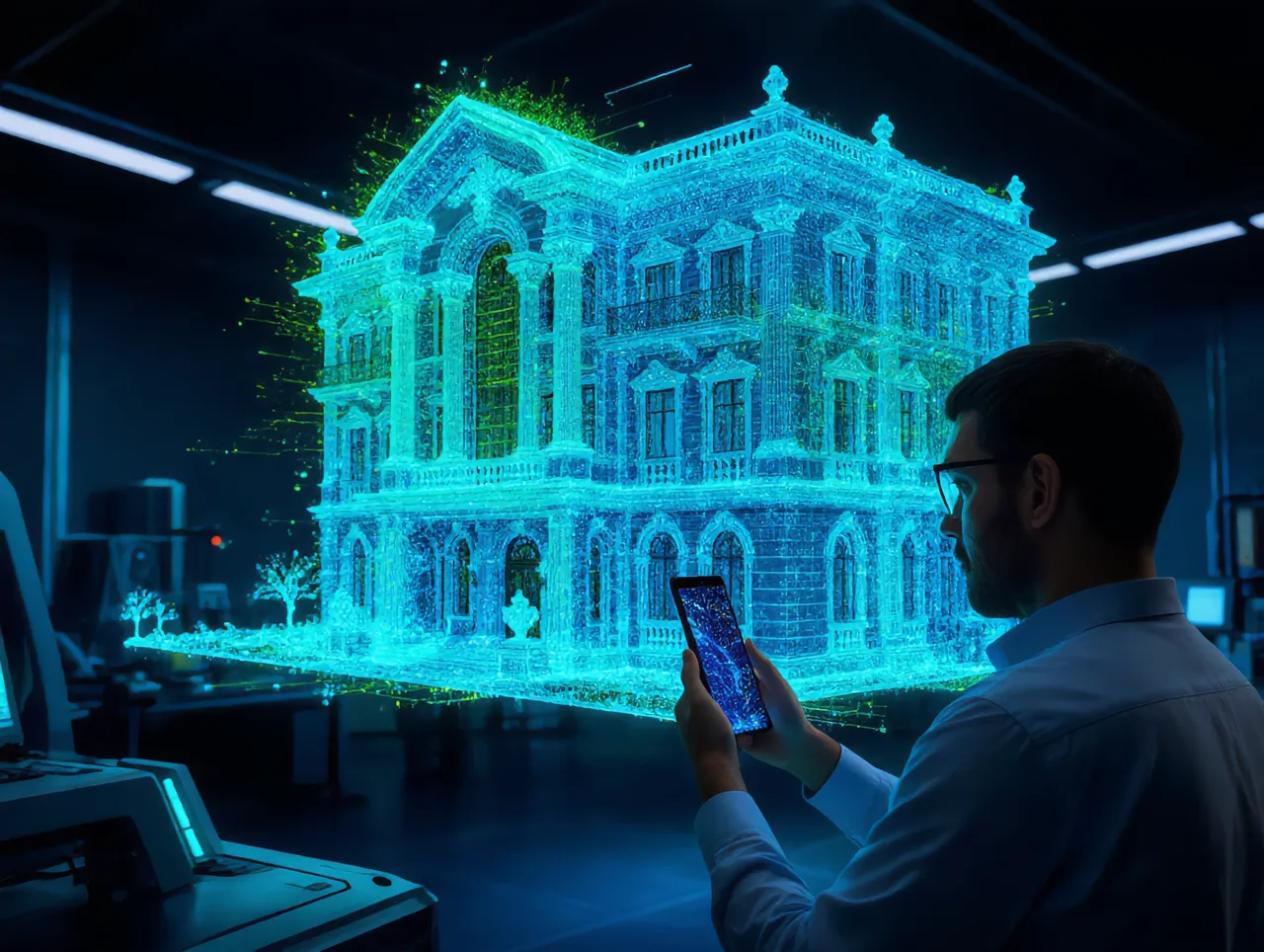
High-fidelity 3D reconstruction of any object, artwork, architecture or site. Through 3D photogrammetry and LiDAR scanning we produce digital twins that serve as scientific instruments and as the foundation for immersive exhibitions, metaverse environments and interactive applications.

The digital twin is the key to cultural heritage valorisation in the digital age. Banking foundations, museums and heritage authorities can preserve, study and communicate their architectural and artistic patrimony through 3D models accurate to the millimetre.

Applications

DIGITAL PRESERVATION

High-resolution 3D documentation of artworks, sculptures, archaeological finds and at-risk architecture. An imperishable digital archive for future generations.

IMMERSIVE EXHIBITIONS

The 3D model becomes the core of an immersive experience: projected, animated and made interactive for next-generation exhibitions where visitors explore the work from within.

METAVERSE & VR

Digital twins accessible worldwide through web platforms, VR headsets and metaverse environments. Cultural heritage transcends the physical boundaries of the museum.

SCIENTIFIC ANALYSIS

Millimetre-precise 3D models for conservators, archaeologists and art historians. Measurements, temporal comparisons and conservation-state documentation.

How we work

OUR PROCESS

01 — ACQUISITION

ACQUISITION

Structured photographic campaign and/or LiDAR scan of the object or architecture. Hundreds of images captured from controlled angles for complete coverage.

02 — PROCESSING

PROCESSING

Photogrammetric processing: image alignment, dense point-cloud generation, mesh reconstruction and high-resolution texturing.

03 — OPTIMISATION

OPTIMISATION

Model clean-up, polygon reduction for real-time use, and creation of LODs (Level of Detail) for different platforms: web, VR and 3D printing.

04 — INTEGRATION

INTEGRATION

The digital twin is delivered into its final destination: immersive exhibition, VR application, web platform, projection mapping or scientific analysis system.

Technologies

TOOLS & PIPELINE

3D Photogrammetry LiDAR Point Cloud Cinema 4D High-Res Mesh PBR Texturing VR / AR / MR Particle Systems Web 3D 3D Printing
Gallery

DIGITAL TWIN CASE STUDIES

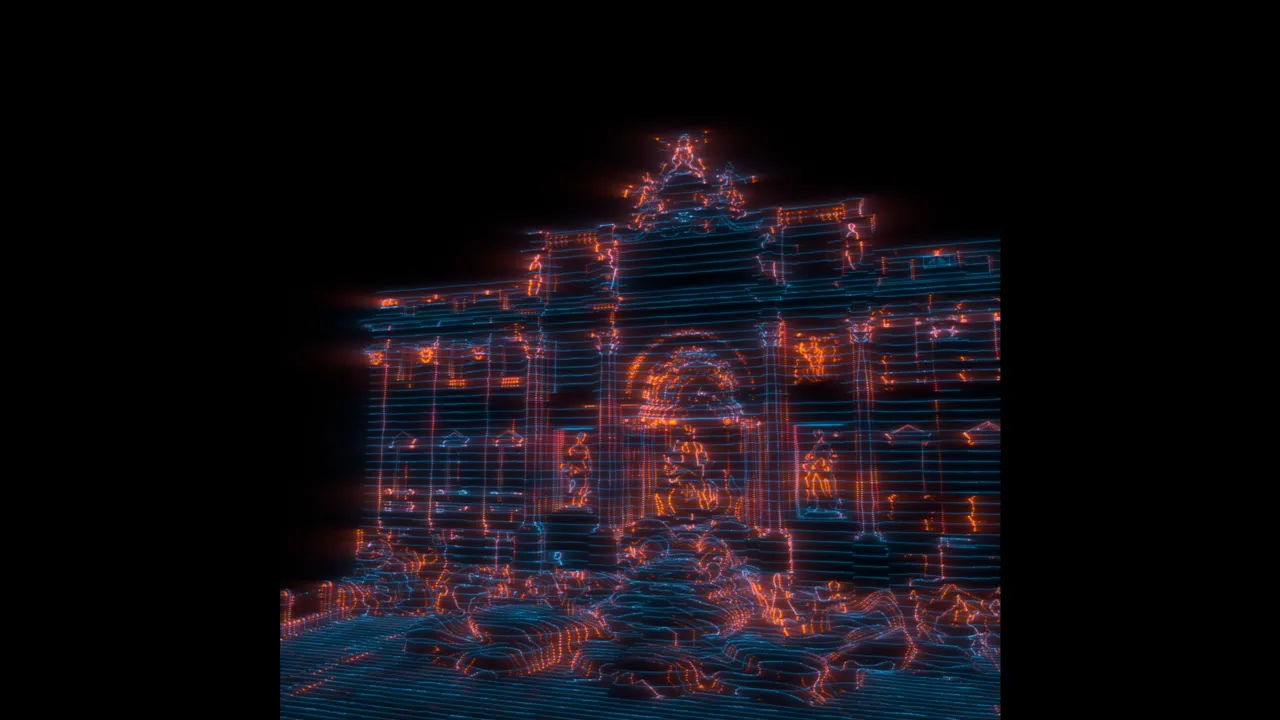
Digital twin photogrammetry 3D heritage High-fidelity 3D reconstruction artworks Imperial Rome digital twin archaeological reconstruction
Who the digital twin is for

BANKING FOUNDATIONS

Valorisation of architectural and artistic patrimony. The digital twin documents and communicates the value of historic buildings and collections.

MUSEUMS & HERITAGE AUTHORITIES

Preservation and accessibility of collections. 3D models for digital catalogues, virtual exhibitions and interactive education.

BRANDS & CORPORATE

Digitisation of products, showrooms and spaces for immersive experiences, 3D e-commerce and innovative brand communication.

Case studies

REFERENCE DIGITAL TWINS

Sistine Chapel — Immersive Experience, Poland

Digital twin of the Sistine Chapel vault and walls for an immersive exhibition with LED wall and multi-projection. High-resolution photogrammetric reconstruction with a Heritage 4.0 workflow tuned for colour fidelity.

Leonardo da Vinci — La Bella Principessa, Astana

Digital twin of Leonardo da Vinci's masterwork for an immersive exhibition at the National Museum of Kazakhstan. Advanced CGI for detailed painting animation and contextual 3D reconstruction of the historical environment.

Ready to digitise your heritage?

LET US BUILD THE DIGITAL
TWIN OF YOUR ASSET

Get in Touch
Frequently asked questions

FAQ

What is a digital twin?
A digital twin is a high-fidelity 3D replica of a physical object, artwork or piece of architecture. It is created through photogrammetry (reconstruction from photographs) or LiDAR scanning (laser) and reproduces the geometry, colours and textures of the original with millimetre precision.
How are digital twins used in cultural heritage?
Digital twins enable the digital preservation of artworks and architecture, the creation of immersive and virtual exhibitions, long-term conservation monitoring, global access to heritage through web and VR platforms, and the production of physical replicas via 3D printing.
How long does it take to create a digital twin?
Timelines vary with complexity: a sculpture may require 1–2 weeks, a historic building 2–4 weeks, and an entire archaeological site 1–2 months. Data acquisition is fast (hours to days); processing and optimisation take the majority of the time.
What formats is the digital twin delivered in?
We deliver in industry-standard formats: OBJ, FBX, glTF/GLB for 3D models, point clouds in E57 or LAZ. On request, we also prepare versions optimised for web (WebGL), augmented reality (AR), or metaverse platforms.
Can the digital twin be updated over time?
Yes. The digital twin can be updated with new scans to document restorations, structural changes, or conservation interventions. We offer periodic monitoring plans.